Last updated: May 17, 2026
Quick Answer
New pizzeria franchises in 2026 offer significantly lower startup costs, modern operating systems, and stronger profit margins compared to legacy pizza chains that haven’t updated their models in decades. The best new franchise concepts, like Anthony & Luca’s Pizza Kitchen, can open for as little as $75,000–$250,000 in second-generation restaurant spaces, and they pair high-demand menu items (pizza and cheesesteaks) with simplified operations and full franchisor support. If you’re exploring franchise ownership, newer brands built for today’s market consistently outperform older models on unit economics.
Key Takeaways
- New pizzeria franchises cost far less to open than established chains, with some concepts launching for $75K–$250K using existing restaurant spaces.
- Modern franchise systems provide real partnership, including on-call support, marketing assistance, and comprehensive training programs like ALPK University.
- Dual-concept menus (pizza plus cheesesteaks, for example) increase average ticket size and customer frequency.
- Second-generation spaces dramatically cut build-out costs and speed up your timeline to opening day.
- Legacy pizza brands carry legacy problems: outdated tech, rigid systems, oversaturated markets, and thin margins.
- Full marketing support covering digital, social media, local outreach, and print means franchisees don’t need to become marketing experts.
- Cult-like brand followings develop when the food is genuinely crave-worthy, not just convenient.
- The pizza franchise industry continues to grow, but the winners in 2026 are lean, modern, and operator-friendly.
Why Are New Pizzeria Franchises Outperforming Legacy Brands in 2026?
New pizzeria franchises are outperforming older chains because they were built from scratch for today’s market conditions, not retrofitted from a 1980s business model.
Here’s what that means in practice. Legacy pizza brands carry decades of operational bloat. Their kitchens were designed before online ordering existed. Their real estate requirements assume a world where every location needs massive dining rooms. Their franchise fees reflect brand recognition, not actual support.
Newer concepts like Anthony & Luca’s Pizza Kitchen flipped the script. They designed their entire system around three priorities:
- Low startup costs that don’t require franchisees to drain their savings
- Simplified operations that any motivated owner can learn and execute
- Food people actually crave, which drives repeat business without heavy advertising spend
The difference shows up where it matters most: revenue, retention, and profit margin. When your franchise model is light-years ahead of brands that haven’t meaningfully innovated in 20 years, the numbers speak for themselves.
Choose a new pizzeria franchise if: you want modern systems, lower investment, and a franchisor that acts like a true partner. Stick with a legacy brand only if brand name recognition alone is worth paying 2–3x more to open.
How Much Does It Cost to Open a New Pizzeria Franchise?
The total investment for a new pizzeria franchise ranges widely, but the smartest concepts keep costs between $75,000 and $250,000 by using second-generation restaurant spaces.
What Are Second-Generation Spaces?
A second-generation space is a location that previously housed another restaurant. It already has plumbing, ventilation, electrical, and often kitchen equipment in place. This means you skip the most expensive part of any restaurant build-out.
Here’s how the costs typically break down:
| Cost Category | Legacy Pizza Chain | New Pizzeria Franchise (ALPK Model) |
|---|---|---|
| Franchise Fee | $25,000–$50,000 | Competitive and transparent |
| Build-Out | $200,000–$500,000+ | $30,000–$100,000 (second-gen) |
| Equipment | $75,000–$150,000 | Often included in space |
| Total Investment | $350,000–$800,000+ | $75,000–$250,000 |
| Time to Open | 6–12 months | 2–4 months |
That cost difference isn’t a minor detail. It changes the entire risk profile of your investment. A franchisee who opens for $150,000 reaches profitability far faster than someone who invested $600,000 in a legacy brand location.
Common mistake: Many first-time franchisees assume a higher investment means a safer bet. In reality, lower overhead means you survive slow months and reach break-even faster. If you’re evaluating options, explore what’s available in pizza franchise opportunities that prioritize lean operations.
What Kind of Support Should New Pizzeria Franchises Provide?
The best new pizzeria franchises provide comprehensive, ongoing support that covers every aspect of running your restaurant, not just a binder of instructions and a “good luck.”
Anthony & Luca’s Pizza Kitchen built their franchise system around genuine partnership. Here’s what that looks like day to day:
ALPK University Training
Before you open your doors, you go through ALPK University, a structured training program that covers:
- Kitchen operations: Every recipe, prep method, and quality standard
- Front-of-house management: Customer service, order flow, staffing
- Business fundamentals: Inventory management, cost control, scheduling
- Technology systems: POS, online ordering, delivery integration
- Marketing execution: How to launch and sustain local awareness
This isn’t a one-week crash course. It’s designed to make you confident and competent before your first customer walks in.
On-Call Support at the Touch of a Button
After opening, ALPK franchisees have access to on-call support whenever they need it. Oven acting up on a Friday night? Question about a new vendor? Need help interpreting your weekly numbers? Real people answer, and they answer fast.
This is where many franchise systems fall short. They invest in the sale but disappear after the check clears. Anthony & Luca’s built their reputation on being the opposite: a franchisor that stays in the trenches with you.
Full Marketing Support
Marketing is where independent restaurant owners often struggle the most. ALPK handles:
- Digital marketing: SEO, Google Ads, website management
- Social media: Content creation, posting schedules, engagement strategies
- Local marketing: Community events, partnerships, grassroots outreach
- Print materials: Menus, flyers, direct mail campaigns
You focus on making great food and running your store. The franchise system handles getting customers through your door. For a deeper look at how this works, check out the best pizza franchise opportunity breakdown.
Why Does Menu Matter So Much for New Pizzeria Franchises?
A franchise is only as strong as the food it serves. New pizzeria franchises that offer crave-worthy food build loyal customer bases that legacy brands with mediocre menus simply can’t match.
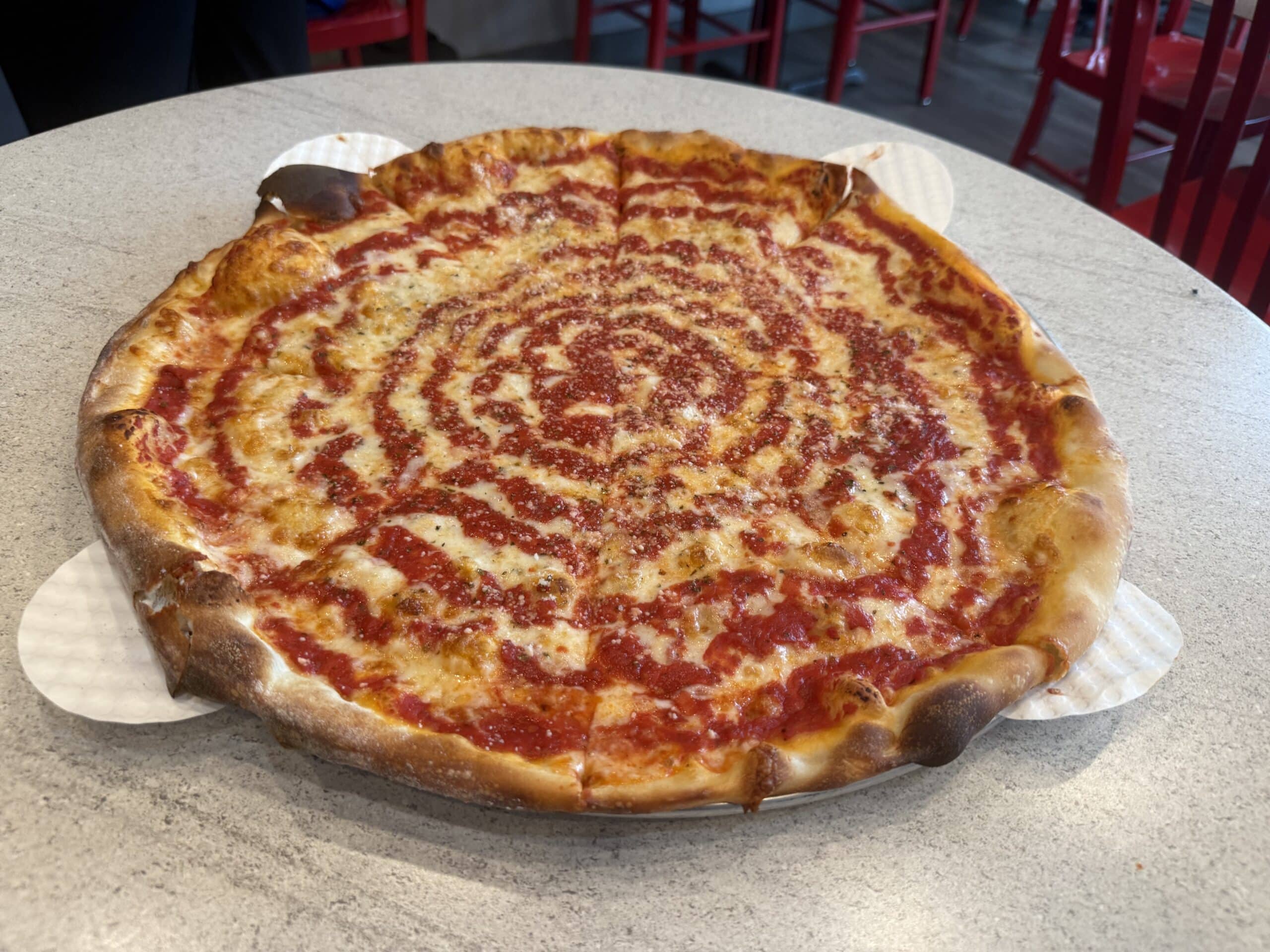
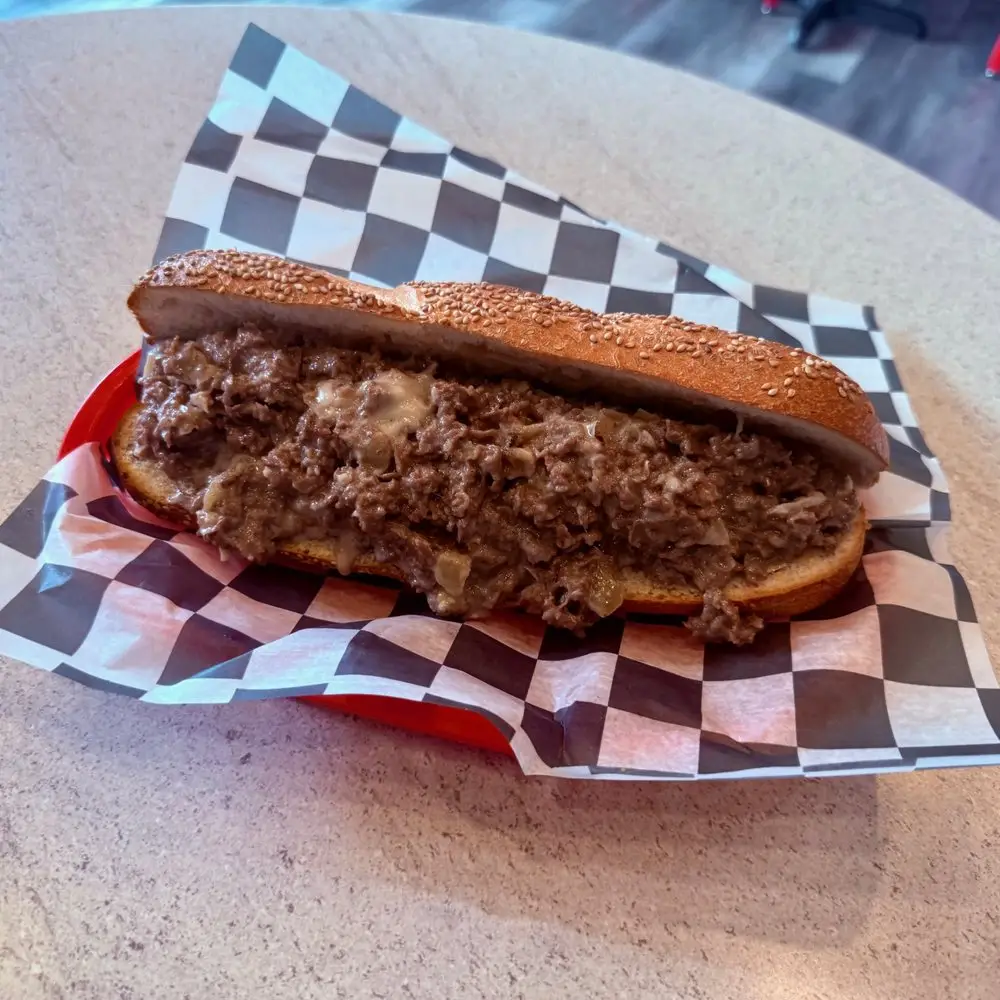
Anthony & Luca’s Pizza Kitchen doesn’t just serve pizza. They serve what many customers call the best pizza and cheesesteaks in the business. That dual-concept approach is a strategic advantage for several reasons:
Higher average ticket size. When a family orders pizza and cheesesteaks together, the check is larger than a pizza-only order. This directly improves your revenue per customer.
More frequent visits. Customers who love both your pizza and your cheesesteaks come back more often. Monday might be a cheesesteak craving. Friday is pizza night. You capture both occasions.
Cult-like brand following. When people genuinely crave your food, they become evangelists. They post on social media without being asked. They bring friends. They drive past three other pizza places to get to yours. This kind of organic loyalty is worth more than any ad campaign.
“Owning a restaurant that people actually crave changes everything about the business. You’re not fighting for attention. Customers are seeking you out.”
If the cheesesteak franchise angle interests you, ALPK’s model shows how pairing two high-demand menu categories creates a business that’s far more resilient than a single-concept restaurant.

How Do You Evaluate New Pizzeria Franchises Before Investing?
Evaluating a franchise requires looking beyond the marketing materials. Focus on unit economics, franchisee satisfaction, and the actual support infrastructure.
Here’s a practical checklist:
Due Diligence Checklist for New Pizzeria Franchises
- Review the FDD (Franchise Disclosure Document) — Every franchisor must provide this. Look at Item 19 for financial performance data and Item 7 for total investment range.
- Talk to existing franchisees — Ask them: Would you do it again? What surprised you? How responsive is corporate?
- Visit operating locations — Eat the food. Watch the kitchen. Talk to staff. Is the operation smooth or chaotic?
- Understand the total investment — Include rent deposits, working capital, and living expenses during ramp-up. Not just the franchise fee.
- Evaluate the training program — How long is it? Where does it happen? Does it cover business management or just food prep?
- Assess ongoing support — What happens after you open? Is there a field consultant? How fast do they respond to problems?
- Examine the marketing plan — Who handles marketing? What’s included in your royalty fees? Do you need to spend additional money on local advertising?
- Check territory protection — Will the franchisor open another location two miles from yours?
Edge case to watch for: Some franchise systems look affordable upfront but require expensive proprietary equipment or mandatory vendor relationships that inflate your ongoing costs. Always calculate the true cost of operations, not just the opening investment.
For those comparing multiple options, our pizza franchise for sale page provides transparent details on what ALPK offers.
What Makes Anthony & Luca’s Different From Other New Pizzeria Franchises?
Anthony & Luca’s Pizza Kitchen was built with the future in mind, and that forward-thinking approach shows up in every aspect of the franchise model.
Here’s a direct comparison of what sets ALPK apart:
The ALPK Advantage
- Investment range of $75K–$250K using second-generation spaces, compared to $350K–$800K+ for most established pizza chains
- True partnership model with on-call support, not a distant corporate office that takes days to return calls
- ALPK University provides comprehensive training that prepares franchisees for real-world operations
- Dual-concept menu featuring both best-in-class pizza and cheesesteaks, increasing revenue streams and customer loyalty
- Full marketing support across digital, social, local, and print channels, all handled by the franchise system
- Simplified operations designed so franchisees can focus on execution rather than figuring everything out alone
- Cult-like brand following built on food quality that customers genuinely crave
The ALPK model represents what happens when a franchise system is designed from the ground up for 2026 and beyond, rather than patched together from decades-old processes. If you’re researching the hottest pizza franchise concepts right now, ALPK consistently stands out.
And because the brand also excels in cheesesteaks, franchisees get a cheesesteak franchise revenue stream built right into their business, no additional concept or equipment needed.
Who Should (and Shouldn’t) Invest in a New Pizzeria Franchise?
New pizzeria franchises are ideal for motivated operators who want a proven system without the massive financial risk of legacy brands. But they’re not for everyone.
This Is a Good Fit If You:
- Have $75,000–$250,000 in available capital (liquid or through financing)
- Want to own a business but prefer a proven system over starting from scratch
- Are willing to follow the franchise model and trust the process
- Enjoy working with people and being part of a community
- Want a business that serves food customers genuinely love
This Might Not Be Right If You:
- Expect to be a completely hands-off investor (especially in year one)
- Want to create your own menu and branding from scratch
- Aren’t comfortable in a food service environment
- Need immediate income with zero ramp-up period
Decision rule: If you’re drawn to the idea of restaurant ownership but intimidated by the complexity, a well-supported franchise like ALPK removes most of the guesswork. The system does the heavy lifting on recipes, marketing, and operations. You bring the work ethic and local presence.
For a broader look at what’s available, browse pizza franchise options for 2026 to compare models and investment levels.
What Are the Biggest Mistakes People Make When Choosing a Pizzeria Franchise?
The most common mistake is choosing based on brand name alone without examining the actual business model and support structure.
Here are the top five mistakes I see prospective franchisees make:
- Overpaying for brand recognition. A famous name doesn’t guarantee your individual location will succeed. It often just means higher fees.
- Ignoring unit-level economics. The question isn’t “How big is this brand?” It’s “How much will my specific location earn and keep?”
- Skipping franchisee calls. Current franchise owners will tell you the truth. The FDD gives you their contact information. Use it.
- Underestimating working capital needs. You need enough cash to cover 3–6 months of operating expenses before the business sustains itself.
- Choosing a saturated market. Opening the 47th location of a major chain in your metro area means you’re competing with your own brand. Newer concepts with protected territories avoid this problem entirely.
Quick example: A franchisee who invests $600,000 in a legacy brand and earns a 10% margin makes $60,000 annually on that investment. A franchisee who invests $150,000 in a modern concept like ALPK and earns a 15% margin on similar revenue is making far more relative to their investment, and they reach ROI years faster.
Conclusion
The new pizzeria franchise landscape in 2026 favors operators who choose modern, lean, well-supported systems over bloated legacy brands. The math is straightforward: lower investment, better support, stronger food, and higher margins.
Anthony & Luca’s Pizza Kitchen represents exactly what a pizza franchise should look like in 2026. With startup costs between $75,000 and $250,000, ALPK University training, on-call franchisor support, full marketing assistance, and a dual-concept menu that builds genuine customer loyalty, it’s a model built for franchisees who want to succeed, not just open.
Your next steps:
- Review the best new pizza franchise options and compare investment levels
- Request an FDD from any franchise you’re seriously considering
- Talk to at least three current franchisees before making a decision
- Calculate your total available capital, including working capital for the first six months
- Visit operating locations and eat the food — your customers will judge the brand by its product
The best time to enter the pizza franchise space is when you’ve found a concept that combines great food, smart operations, and a franchisor who genuinely supports your success. In 2026, that combination is easier to find than ever — if you know where to look.
Frequently Asked Questions
How much does it cost to open a new pizzeria franchise in 2026?
Costs vary widely. Legacy brands typically require $350,000–$800,000+. Modern concepts like Anthony & Luca’s Pizza Kitchen can open for $75,000–$250,000 by using second-generation restaurant spaces.
What is a second-generation restaurant space?
A location that previously housed another restaurant. It already has plumbing, ventilation, electrical, and often kitchen equipment, which significantly reduces your build-out costs and timeline.
Do I need restaurant experience to open a pizzeria franchise?
Not with the right franchise system. ALPK University and similar training programs are designed to take motivated owners with no prior restaurant experience and prepare them fully before opening day.
How long does it take to open a new pizzeria franchise?
With a second-generation space and a streamlined franchise system, you can open in as little as 2–4 months. Legacy brands with custom build-outs often take 6–12 months.
What ongoing support do new pizzeria franchises provide?
The best systems provide on-call operational support, full marketing assistance (digital, social, local, print), ongoing training, and regular business performance reviews.
Why is a dual-concept menu (pizza and cheesesteaks) an advantage?
It increases average ticket size, drives more frequent customer visits, and builds a broader customer base. Two crave-worthy categories are better than one.
How do I know if a franchise is a good investment?
Review the FDD, talk to existing franchisees, visit operating locations, and calculate the total investment including working capital. Compare unit-level economics, not just brand size.
What is ALPK University?
It’s Anthony & Luca’s comprehensive franchise training program covering kitchen operations, business management, technology systems, customer service, and marketing execution.
Are new pizzeria franchises riskier than established brands?
Not necessarily. Lower investment means lower financial risk. Modern systems with strong support often produce better unit economics than legacy brands with outdated models.
Can I own multiple pizzeria franchise locations?
Yes. Many franchise systems, including ALPK, encourage multi-unit ownership for operators who prove successful with their first location.
What kind of marketing support should I expect?
A strong franchise system handles digital marketing, social media management, local outreach strategy, and print materials. You shouldn’t need to become a marketing expert to succeed.
How do new pizzeria franchises protect my territory?
Most quality franchise systems offer defined territory protection, meaning the franchisor won’t open or approve another location within a specified radius of yours. Always confirm this in the FDD.
Sources
- International Franchise Association — Franchise Business Economic Outlook, 2025 — https://www.franchise.org
- Anthony & Luca’s Pizza Kitchen — Franchise Information, 2026 — https://www.anthonyandlucaspizza.com
Tags: new pizzeria franchises, pizza franchise, pizza franchise opportunity, cheesesteak franchise, Anthony and Luca’s Pizza Kitchen, low cost franchise, restaurant franchise 2026, pizza business, franchise investment, ALPK University, dual concept franchise, best pizza franchise