


Last updated: July 10, 2026
Quick Answer: A pizza franchise opportunity gives you the right to operate a pizza restaurant under an established brand, using proven systems, recipes, and support structures in exchange for an initial franchise fee and ongoing royalties. For investors who want food service income without building a brand from scratch, pizza franchises offer one of the most accessible entry points in the restaurant industry, with total startup costs typically ranging from $150,000 to over $500,000 depending on the concept and location.
Real Reviews · Pinellas Park · Tampa · Houston
What Our Guests Say
Key Takeaways
- Pizza is a $46 billion industry in the United States (PMQ Pizza Magazine, 2023), making it one of the most resilient food categories for franchise investment.
- Startup costs for a pizza franchise range widely, from under $200,000 for a delivery-focused model to $500,000 or more for a full dine-in location.
- Franchisees pay an initial franchise fee plus ongoing royalties (typically 4-8% of gross sales) and marketing fees.
- Breaking even typically takes 18 to 36 months, depending on location, traffic, and operational efficiency.
- The best pizza franchise opportunities combine multiple revenue streams: dine-in, carry-out, delivery, catering, and online ordering.
- Anthony & Luca’s Pizza Kitchen stands out by offering authentic New York-style pizza alongside Philadelphia cheesesteaks and Italian street food, creating higher average ticket sizes and stronger unit economics.
- Franchise ownership is not passive income. It requires active management, especially in the first year.
- Who it’s for: investors with $150,000+ in liquid capital, strong people management skills, and a willingness to follow a proven system.
- Who it’s not for: people expecting hands-off returns or those unwilling to follow brand standards.
- Training, marketing support, and supply chain access are the three most valuable things a good franchisor provides.
What Is a Pizza Franchise and How Does It Work
A pizza franchise is a licensed business arrangement where an investor (the franchisee) pays for the right to operate a pizza restaurant using the franchisor’s brand, recipes, systems, and support. The franchisor provides the blueprint; the franchisee executes it locally.
Here’s how the structure works in practice:
- You sign a franchise agreement that grants you rights to operate in a defined territory for a set term, usually 10 years.
- You pay an initial franchise fee, which typically ranges from $20,000 to $50,000 for pizza concepts.
- You build or lease your location, following the franchisor’s design and equipment specifications.
- You complete training, which covers operations, food preparation, customer service, and business management.
- You open and operate the restaurant while paying ongoing royalties and marketing fees based on gross sales.
- The franchisor supports you with marketing campaigns, supply chain access, operational guidance, and product development.
The key difference between a franchise and an independent restaurant is that you’re buying a proven system. You don’t invent the menu, design the brand, or figure out the recipes. That reduces risk considerably, but it also means you operate within defined rules.
For a deeper look at available concepts, see this overview of pizza franchise opportunities that covers multiple ownership models.
How Much Does It Cost to Open a Pizza Franchise
The total investment to open a pizza franchise varies significantly based on the brand, format, and market. Most pizza franchise opportunities fall into three cost tiers.
| Format | Estimated Total Investment | Best For |
|---|---|---|
| Delivery / Carry-Out Only | $150,000, $250,000 | Lower capital, smaller footprint |
| Fast Casual / Counter Service | $250,000, $400,000 | Balanced dine-in and carry-out |
| Full Dine-In Pizzeria | $400,000, $600,000+ | High-volume, full-service markets |
What drives the cost:
- Franchise fee: $20,000 to $50,000 paid upfront to the franchisor
- Build-out and leasehold improvements: $80,000 to $250,000 depending on the condition of the space
- Equipment: Stone deck ovens, prep tables, refrigeration, and POS systems typically run $50,000 to $120,000
- Initial inventory: $5,000 to $15,000
- Working capital: Most franchisors require 3 to 6 months of operating expenses in reserve
- Training and opening support fees: Varies by brand
Common mistake: Many first-time franchisees underestimate working capital needs. Budget for at least six months of expenses beyond your opening day, not three.
Pizza Franchise Startup Costs and Ongoing Fees
Beyond the initial investment, every pizza franchise opportunity comes with recurring costs that directly affect your profitability. Understanding these before you sign is essential.
Ongoing fees to expect:
- Royalty fee: Typically 4% to 8% of gross weekly or monthly sales, paid to the franchisor
- Marketing / advertising fund: Usually 1% to 3% of gross sales, pooled for brand-level campaigns
- Local advertising requirement: Some franchisors require you to spend an additional 1% to 2% locally
- Technology fees: POS systems, online ordering platforms, and loyalty programs often carry monthly fees of $200 to $600
- Supply chain costs: You’ll likely be required to purchase certain ingredients from approved suppliers, which can affect food cost margins
A realistic example: If your location generates $800,000 in annual gross sales, a 6% royalty equals $48,000 per year, plus $16,000 to $24,000 in marketing fees. These are real costs that reduce your net profit, so model them carefully before committing.
For a detailed breakdown of what’s available at different price points, the pizza franchise for sale listings provide useful comparison data.
Best Pizza Franchise Opportunities to Invest In for 2026
The best pizza franchise to invest in depends on your capital, market, and goals. That said, certain concepts consistently outperform because of stronger unit economics, differentiated menus, and better franchisor support.
What separates strong pizza franchise opportunities from average ones:
- Multiple revenue streams (dine-in, delivery, catering, ghost kitchen)
- A differentiated menu that commands higher average ticket prices
- Proven supply chain with quality-controlled ingredients
- Genuine training and ongoing operational support
- Transparent Franchise Disclosure Document (FDD) with verifiable financial performance data
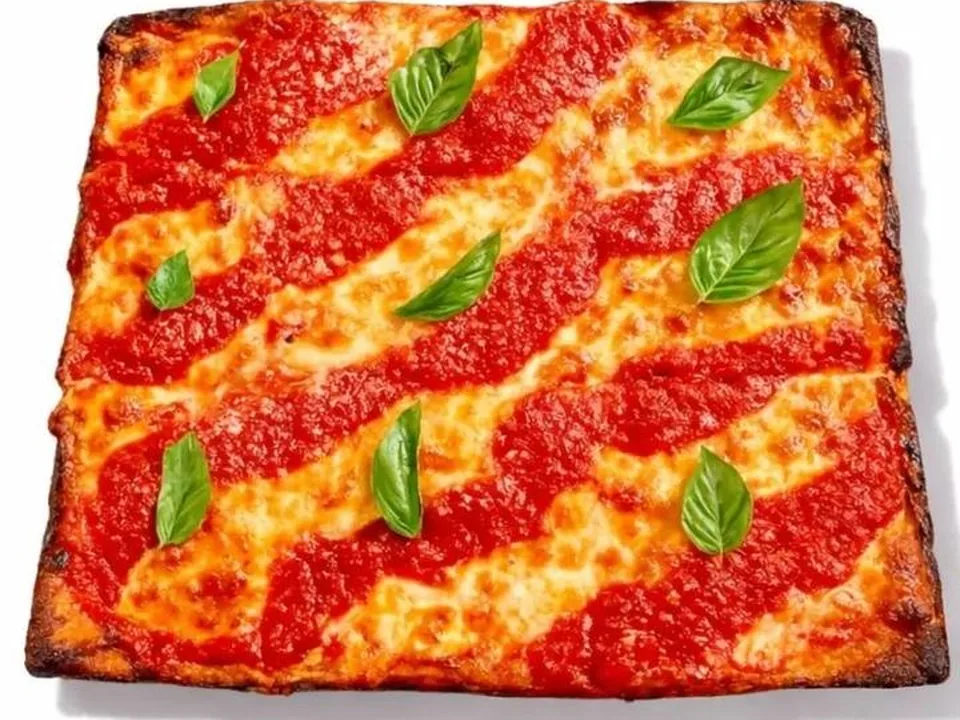
Anthony & Luca’s Pizza Kitchen represents a compelling example of a differentiated concept. Rather than competing head-to-head with national delivery chains, Anthony & Luca’s positions itself as an authentic New York pizza and Philadelphia cheesesteak destination. The menu includes:
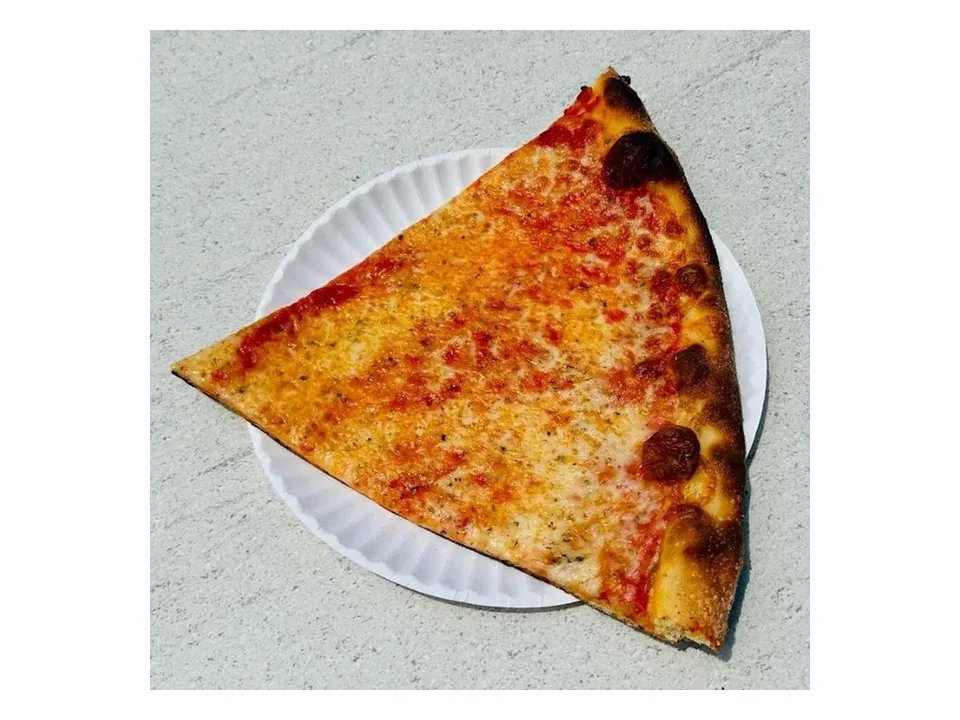
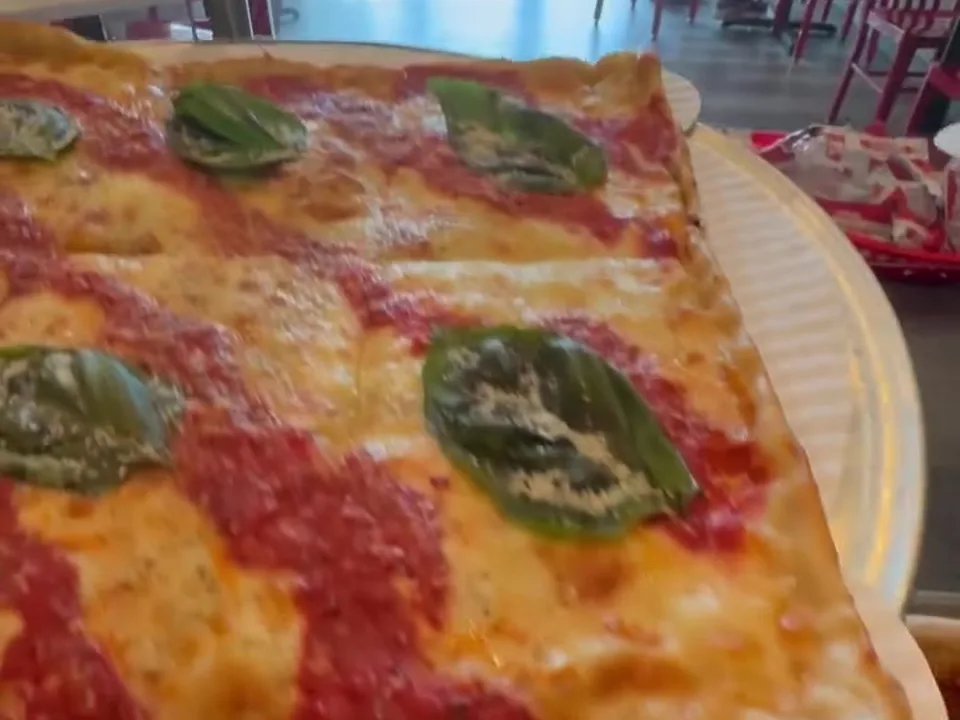
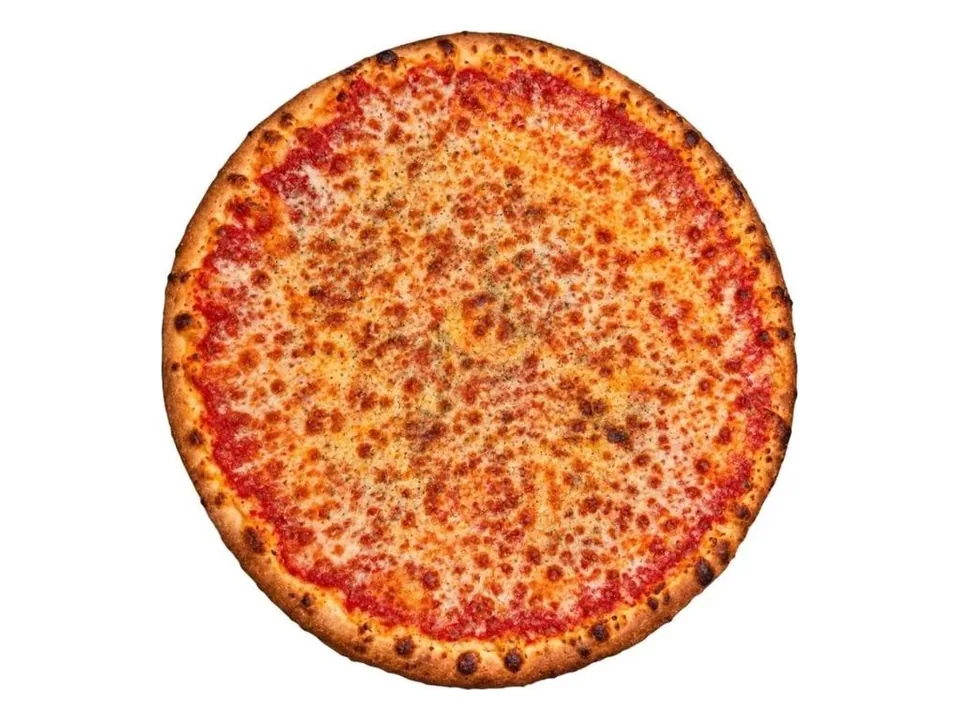
- Hand-stretched, stone-baked New York-style pizza made with dough produced in Brooklyn using authentic New York water
- Grande brand cheese and premium imported tomatoes
- Authentic Philadelphia cheesesteaks on seeded rolls with Cooper Sharp American cheese and thin-sliced ribeye
- Chicken cutlet sandwiches, arancini, panzerotti, stromboli, and calzones
This combination of premium, authentic products creates higher average ticket sizes than a delivery-only pizza concept. For investors researching the best pizza franchise opportunity available today, the multi-revenue-stream model is worth serious consideration.
Pizza Franchise vs. Starting an Independent Pizzeria
A pizza franchise costs more upfront than opening an independent pizzeria, but it comes with a proven system, brand recognition, and ongoing support that independent operators have to build entirely on their own.
Head-to-head comparison:
| Factor | Pizza Franchise | Independent Pizzeria |
|---|---|---|
| Brand recognition | Built-in from day one | Must be earned over years |
| Recipe and menu | Provided and standardized | Fully your own to develop |
| Training | Structured onboarding program | Self-directed or hired expertise |
| Ongoing fees | Royalties + marketing fees | None (but no support either) |
| Failure risk | Lower (proven model) | Higher (no established playbook) |
| Creative control | Limited by brand standards | Complete freedom |
Choose a franchise if: You want a faster path to revenue, you’re new to restaurant operations, or you want the backing of a supply chain and marketing system.
Choose independent if: You have deep restaurant experience, a unique culinary concept, and the patience to build a brand from zero.
How Much Profit Can You Make from a Pizza Franchise
Pizza franchise profitability varies widely, but well-run locations in good markets can generate strong returns. According to PMQ Pizza Magazine (2023), the average independent pizzeria generates around $400,000 to $600,000 in annual sales. Franchise locations with delivery, dine-in, and catering revenue streams often exceed that range.
Typical profit margins for pizza restaurants:
- Gross profit margin (after food costs): 60% to 70%
- Labor costs: 25% to 35% of revenue
- Occupancy (rent + utilities): 8% to 12% of revenue
- Royalties and fees: 5% to 10% of revenue
- Net profit margin: 8% to 15% for a well-run location
Example scenario: A location doing $900,000 in annual gross sales with a 10% net margin generates $90,000 in owner profit. A location doing $1.2 million at the same margin produces $120,000.
Concepts with higher average ticket sizes, like Anthony & Luca’s which combines pizza with premium cheesesteaks and Italian street food, can push unit volumes higher than single-category pizza shops. That’s a meaningful advantage when calculating return on investment.
What Are the Requirements to Own a Pizza Franchise
Most pizza franchisors have minimum financial and personal qualifications. Meeting these requirements doesn’t guarantee approval, but falling short of them usually disqualifies you.
Typical requirements:
- Liquid capital: $100,000 to $200,000 minimum, depending on the brand
- Net worth: Often $300,000 to $500,000 or more
- Credit score: Most franchisors prefer 680 or above
- Business or management experience: Not always required, but strongly preferred
- Willingness to follow the system: This is non-negotiable. Franchisors want operators who execute the model, not reinvent it.
Some franchisors also conduct personal interviews, background checks, and territory assessments before approving a franchisee. The process from initial inquiry to signing a franchise agreement typically takes 60 to 120 days.
For those exploring what’s currently available, reviewing pizza franchises for sale in your target market is a practical first step.
Pizza Franchise Training and Support: What’s Included
Good franchisors provide structured training that covers every aspect of running the business, not just how to make the food. This is one of the most valuable parts of the pizza franchise opportunity.
What comprehensive training typically covers:
- Food preparation, portioning, and quality standards
- Stone oven operation and pizza-making technique
- Customer service and front-of-house management
- Inventory management and ordering systems
- POS and online ordering platform use
- Staff hiring, scheduling, and retention
- Health and safety compliance
- Marketing and local store promotions
Ongoing support should include:
- A dedicated franchise business consultant or field rep
- Access to updated training materials and operations manuals
- National or regional marketing campaigns
- Technology updates and platform improvements
- Annual or semi-annual franchisee conferences
Red flag: If a franchisor offers only a brief training period with no ongoing field support, that’s a warning sign. The best pizza franchise opportunities provide continuous coaching, especially in the first 12 months.
Who Should and Shouldn’t Buy a Pizza Franchise
A pizza franchise opportunity is a strong fit for some investors and a poor fit for others. Being honest about which category you fall into saves a lot of time and money.
Good candidates:
- First-time business owners who want a proven system and brand
- Investors with food service management experience looking to own rather than manage
- Multi-unit operators seeking to add a high-volume food concept
- Entrepreneurs in markets underserved by quality pizza and Italian food
Poor candidates:
- People expecting passive income with minimal involvement, especially in year one
- Investors who want full creative control over the menu and brand
- Anyone unwilling to follow standardized recipes and operating procedures
- Investors with insufficient liquid capital who would be stretched thin by the startup costs
Can you run a pizza franchise part time? In most cases, no, at least not in the first one to two years. Pizza franchises require active daily management during the launch phase. Once operations are stable and you have a reliable manager in place, some owners do step back from day-to-day involvement. But treating it as a side project from the start is one of the most common reasons franchise locations underperform.
Common Mistakes People Make with Pizza Franchises
Most pizza franchise failures trace back to a small number of avoidable errors. Knowing them in advance is genuinely useful.
The most common mistakes:
- Underestimating working capital needs. Running out of cash in months three or four is a leading cause of early failure. Budget conservatively.
- Choosing a poor location. Traffic, visibility, parking, and proximity to your target demographic matter more than rent savings. A cheap space in a low-traffic area is rarely a good deal.
- Skipping or rushing training. The franchisor’s training program exists for a reason. Operators who cut corners in training tend to struggle with consistency.
- Ignoring the FDD. The Franchise Disclosure Document contains audited financial data, litigation history, and franchisee contact information. Reading it carefully, ideally with a franchise attorney, is essential.
- Hiring the wrong manager. If you plan to be semi-absentee, your general manager is your most important hire. Underpaying or rushing this decision is costly.
- Underinvesting in local marketing. National brand campaigns help, but local marketing, community involvement, and online reputation management drive foot traffic in your specific market.
Is a Pizza Franchise Worth It
For the right investor in the right market, a pizza franchise is worth the investment. The combination of a proven brand, operational systems, and a product category with consistent consumer demand makes pizza one of the more defensible food franchise categories.
The case for it:
- Pizza is one of the most ordered foods in the United States, with consistent demand across economic cycles
- Multiple revenue channels (delivery, dine-in, catering, online ordering) reduce dependence on any single source of sales
- Franchise systems reduce the learning curve significantly compared to starting from scratch
- Concepts with differentiated menus, like authentic New York pizza paired with Philadelphia cheesesteaks, command higher prices and generate stronger unit economics
The case against it:
- Royalties and fees are a permanent cost that reduces your margin compared to an independent operator
- You operate within brand constraints, which limits flexibility
- Not all franchise systems are equal. A weak franchisor with poor support can leave you stranded
Bottom line: Research the specific brand’s FDD, talk to existing franchisees, and model your financials conservatively. If the numbers work in a realistic scenario, not just a best-case one, the pizza franchise opportunity is worth pursuing.
For a current look at what’s trending in the market, the hottest pizza franchise concepts in 2026 offer useful benchmarks.
How Long Does It Take to Break Even on a Pizza Franchise
Most pizza franchise locations reach break-even within 18 to 36 months, assuming adequate capitalization, a well-chosen location, and competent management. Some high-volume locations in strong markets break even faster, while undercapitalized or poorly located units can take longer.
Factors that accelerate break-even:
- High-traffic location with strong visibility
- Multiple revenue streams active from opening (dine-in, delivery, online ordering, catering)
- Strong local marketing investment in the first 90 days
- Experienced management team in place at launch
- A differentiated menu that drives higher average ticket sizes
Factors that delay break-even:
- Undercapitalization
- Slow ramp-up in delivery and online ordering
- High rent relative to sales volume
- Staff turnover in the first six months
Pizza Franchise Problems and Complaints
No franchise system is perfect, and understanding common complaints helps you ask better questions before signing.
Frequently reported issues across pizza franchise systems:
- Royalty burden during slow periods: Fixed-percentage royalties feel manageable at high sales volumes but can squeeze margins during slow months.
- Supply chain restrictions: Being required to purchase from approved vendors can limit your ability to find better local pricing.
- Territory disputes: Some franchisees report that corporate-owned or other franchise locations encroach on their delivery or dine-in territory.
- Marketing fund transparency: Franchisees sometimes feel that national marketing fund spending doesn’t benefit their specific market.
- Inconsistent field support: The quality of your franchise business consultant varies by system and region.
How to vet a franchise before buying: Contact at least five to ten existing franchisees listed in the FDD. Ask them directly about support quality, royalty burden, and whether they’d buy again. Their answers are more valuable than any sales presentation.
Anthony & Luca’s Pizza Kitchen addresses several of these concerns through its New York Pizza Franchise model, which emphasizes authentic ingredients, operational simplicity, and genuine franchisee support as core differentiators.
FAQ
What is the minimum investment to open a pizza franchise?
The minimum total investment for most pizza franchise opportunities starts around $150,000 for a delivery-focused or small-footprint model. Full dine-in concepts typically require $400,000 or more including build-out, equipment, and working capital.
Do I need restaurant experience to buy a pizza franchise?
Most pizza franchisors do not require prior restaurant experience, but business management experience is strongly preferred. The franchisor’s training program is designed to teach you the operational side, but managing employees and finances requires general business competency.
What is a typical royalty rate for a pizza franchise?
Pizza franchise royalty rates typically range from 4% to 8% of gross sales, paid weekly or monthly. Marketing fees add another 1% to 3%. Budget for total fees of 6% to 11% of gross sales when modeling profitability.
Can I own multiple pizza franchise locations?
Yes. Multi-unit ownership is common in the pizza franchise industry and often preferred by franchisors. Many agreements include options or requirements to develop additional units within a territory. Multi-unit operators typically benefit from shared management costs and stronger negotiating leverage.
What makes Anthony & Luca’s Pizza Kitchen different from other pizza franchises?
Anthony & Luca’s combines authentic New York-style pizza, made with Brooklyn-produced dough and Grande cheese, with Philadelphia cheesesteaks on authentic seeded rolls and Italian street food items like panzerotti and arancini. This multi-category menu drives higher average ticket sizes and broader customer appeal than a single-category pizza concept. Learn more about the Anthony & Lucas pizza franchise model.
How do I find pizza franchise opportunities for sale in my area?
Start by reviewing the franchisor’s FDD, which lists existing and available territories. You can also work with a franchise broker or search listings on franchise marketplace platforms. Reviewing pizza franchise for sale listings by region is a practical starting point.
Is a pizza delivery franchise different from a full-service pizza franchise?
Yes. A pizza delivery franchise focuses primarily on carry-out and delivery with a smaller physical footprint and lower build-out costs. A full-service concept adds dine-in seating, which increases revenue potential but also raises rent, staffing, and build-out requirements.
What does the franchise agreement term typically look like?
Most pizza franchise agreements run for 10 years with renewal options. Renewal typically requires paying a renewal fee and meeting brand standards. Read the renewal terms carefully before signing the initial agreement.
Does Anthony & Luca’s offer cheesesteak franchise options alongside pizza?
Yes. Anthony & Luca’s integrates authentic Philadelphia cheesesteaks into its menu, making it both a pizza and cheesesteak franchise opportunity. This dual-category approach is a key competitive advantage.
What financing options exist for pizza franchise investors?
Common financing sources include SBA 7(a) loans, franchisor financing programs, ROBS (Rollover for Business Startups) using retirement funds, and conventional small business loans. Most lenders want to see 20% to 30% of the total investment in liquid capital from the borrower.
Conclusion
A pizza franchise opportunity is one of the most accessible paths into food service entrepreneurship, but it’s not a guaranteed return. The difference between a profitable franchise and a struggling one comes down to three things: choosing the right brand, selecting the right location, and executing the system with discipline.
Actionable next steps:
- Define your budget. Calculate your liquid capital, net worth, and borrowing capacity before approaching any franchisor.
- Research multiple brands. Request the FDD from at least three to five concepts and compare financial performance data, royalty structures, and franchisee satisfaction.
- Talk to existing franchisees. The FDD includes a list of current and former franchisees. Call them. Their candid feedback is the most valuable due diligence you can do.
- Hire a franchise attorney. Before signing any agreement, have an attorney experienced in franchise law review the FDD and the franchise agreement.
- Model your financials conservatively. Use realistic sales projections, not best-case scenarios. If the numbers work at 70% of projected sales, the opportunity is worth pursuing.
- Visit the brand in person. Eat the food, observe the operations, and meet the team. A great pizza franchise opportunity should be obvious from the product alone.
For investors who want a concept with authentic differentiation, multiple revenue streams, and a premium product that stands apart from national delivery chains, Anthony & Luca’s Pizza Kitchen is worth a close look. The combination of Brooklyn-made dough, Grande cheese, Philadelphia cheesesteaks, and Italian street food creates a customer experience that drives both repeat visits and strong average ticket values.